Connected devices are a crucial component of modern businesses. They are able to collect data, automate procedures, and make it possible to run smarter operations. The management of a large number of devices located in several locations, especially as they grow, could be a challenge. Operation of devices requires continuous tech-savvy expertise and constant attention. From security compliance to performance optimization and software upgrades, they all demand constant attention. This is the reason a structured managed service strategy transforms complex into simplicity.
Businesses often begin seeking Raspberry device management software for free options to save on expenses upfront. These free tools can provide basic monitoring and remote access however, they do not provide the lifecycle management necessary for large-scale deployments. Businesses need more than just manual control and dashboards as device networks grow. They need an integrated network that can handle provisioning, security hardening, monitoring performance and compliance reports automatically and reliably.
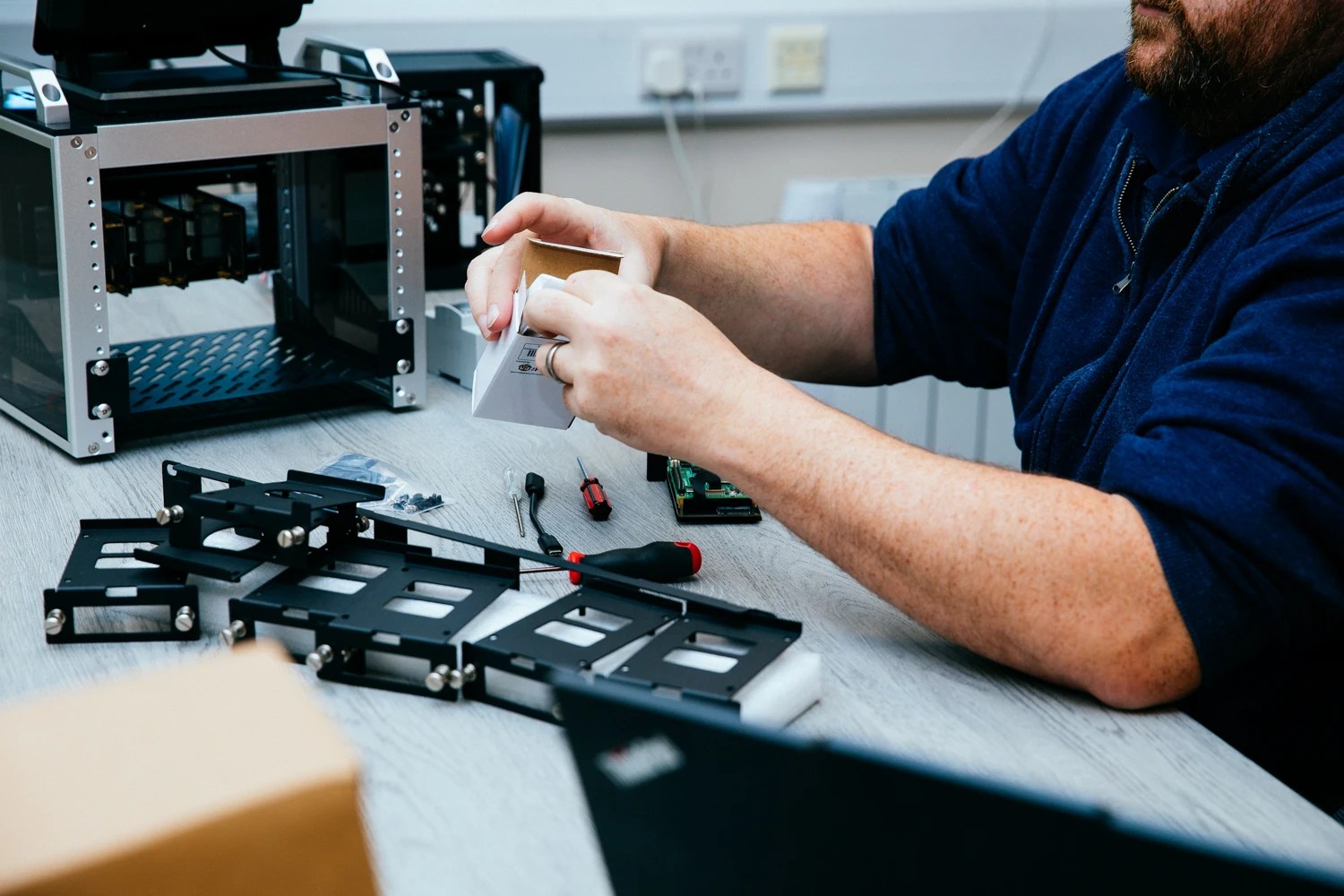
A well-managed infrastructure takes the burden of running a day-to-day operation from internal teams. Companies can concentrate on growth and development, instead of fixing and troubleshooting equipment and systems. A framework that is unified is used to configure, deploy and manage every device that ensures consistency and reliability. This operational model does not only cut down on downtime, it can also prevent security flaws that typically result from unintentional update or incorrect configurations.
A Partnership Model Scaled to Scale
IoT ecosystems are rarely successful when built in isolation. They require strategic planning and intelligent architecture. Working with an experienced Raspberry Pi design partner ensures that hardware selection, system architecture, and software environments are aligned with operational goals from the very beginning. Instead of focusing on the installation as a single-time job, this partnership creates an adaptable foundation that expands as the company grows.
Each managed service engagement adapts to the specific environment of the client, covering hardware integration, device management platforms, as well as technical support within a single operational agreement. This structure unifies vendors and eliminates fragmentation and simplifies communication. Business owners now have a named technical contacts, agreed service level agreements and clear reports that keep all stakeholders informed.
To maintain uniformity of devices across different locations, the provisioning and configuring processes are uniform. Before deployment, every unit is tested and assembled. Then it is enrolled to ensure consistent performance. Continuous telemetry provides real-time data into device health and stability, which allows engineers to identify issues early and prevent system malfunctions before they become serious.
Operational Excellence through Continuous Management
Dependable IoT environments depend on proactive maintenance instead of reactive troubleshooting. Managed patching and updates ensure operating systems and software remain secure and reliable. To prevent interruptions and ensure uptime, updates are thoroughly tested prior to deployment.
Operational workflows are also developed to comply with compliance requirements. Reporting processes are aligned with regulations, regardless of whether organizations are required to meet ISO standards or SOC2 frameworks. This method of auditing that is structured minimizes stress and enhances security protection.
The benefit of managed services can be increased by performance optimization and planning. Regular system evaluations identify opportunities to upgrade hardware, improvements in energy efficiency and load balancing. Instead of waiting until devices fail or become outdated, the infrastructure is developed along with organizational growth.
Seamless Integration with Cloud and Edge Technologies
Modern deployments require an integrated integration of edge hardware with cloud ecosystems. Expert Azure IoT consulting helps companies securely connect devices to cloud platforms, while also optimizing the data pipelines, analytics workflows and automatization capabilities. This synergy helps improve decision making and increased efficiency and agility in operations.
Professional IoT Consulting also makes sure that data governance, monitoring platforms and security protocols are working together. Engineers are on call 24/7 to observe the functioning of systems and respond to irregularities in real time before they disrupt operations. The ability to scale support options lets organizations expand in confidence, knowing their technical skills will increase along with the devices’ fleet.
The aim is to make modern edge technologies feel easy. Scaler Pi makes cutting-edge technology more accessible through combining hardware knowledge with cloud technology. It provides a system that is optimized where devices such as data, operations and even the operating system operate seamlessly.
Manage devices with greater efficiency
Managed Service provides one point of accountability for monitoring, design and assistance. Cost-effective pricing models that are predictable eliminate budget surprise. Continuous monitoring and automated updates minimize operational risk. Businesses gain peace of mind knowing their infrastructure is secure and compliant, always functioning at its peak.
As IoT ecosystems expand in size, the need to have reliable operational frameworks becomes crucial. A managed service will guarantee that the devices’ networks are secure, efficient and up-to-date. This allows organizations to develop new ideas, and not be hindered by the management of infrastructure.